The decision in brief
Gloss is a highly reflective surface and satin is a lower-sheen surface. Either appearance can be used with different underlying finish materials and application methods. Sheen alone does not prove one guitar sounds better or has a thinner coating. Compare the exact instrument for neck feel, appearance, cleaning requirements and the manufacturer's finish-care guidance.
What do gloss and satin actually describe?
Gloss describes a strongly reflective surface; satin describes a lower-sheen appearance with softer reflections. Neither label identifies one coating chemistry. Fender’s finish overview gives both lacquer and urethane sheen variants. Its named series are historical examples, so use the exact model and year’s specification when identifying your guitar’s finish.
One guitar can have a gloss body and a satin neck. Even within one brand, finishes may change by series, year or production revision. If a purchase or care decision depends on the chemistry, ask for the exact model's specification instead of assuming “gloss” means one coating or “satin” means bare wood. A satin surface still has a protective finish unless the maker explicitly says otherwise.
Sources: Fender: finish materials and sheen variants; series examples are historical
Gloss and satin at a glance
| Decision point | Gloss | Satin |
|---|---|---|
| Appearance | Clear reflections and high shine | Soft, diffuse reflections |
| Touch | May feel smooth or tacky depending on hand, humidity and coating | Often perceived as less grabby, but varies by maker |
| Fingerprints | Often easier to notice under direct light | May show oils as shiny patches over time |
| Cleaning | Use products approved for the exact gloss finish | Avoid unapproved polish that changes sheen |
| Sound | No reliable conclusion from sheen alone | No reliable conclusion from sheen alone |
Neither column is a universal durability rating. Coating formulation, application, thickness, wood preparation and use conditions matter more than the gloss/satin label by itself.
Sources: Taylor: separate care instructions for gloss, satin and unfinished areas; Fender: finish materials and sheen variants; series examples are historical
How does the finish affect neck feel?
Players often notice finish most strongly on the back of the neck. A polished gloss neck can feel very smooth to one player and sticky to another, especially with perspiration or a warm room. A satin neck has a lower-sheen appearance and may glide differently under the thumb. Neither outcome is guaranteed: surface condition, cleaning, humidity, hand pressure and individual skin make a difference.
Try slow first-position chords, repeated shifts and sustained playing before deciding. Compare similar neck profiles and setups. Satin surfaces can show sheen changes in areas that are rubbed; Martin’s care guidance warns specifically about prolonged cloth rubbing. That does not establish a wear rate for your neck or diagnose a coating failure. Check profile, fretwork and setup as well as the surface before modifying a finish.
Sources: Martin: satin sheen changes from prolonged rubbing (March 2022)
What does daily wear look like on each surface?
Gloss surfaces can reveal fingerprints, fine scratches and swirl marks in reflected light. Satin surfaces may show oils or shinier contact areas. Martin’s March 2022 care article cautions that prolonged rubbing with a cloth can make a satin finish shinier. It does not supply a universal wear schedule or durability ranking. A changed reflection, a chip and lifting coating are different observations; record what you can see before deciding what needs attention.
When choosing or caring for your own guitar, inspect the body and neck under diffuse and directional light. Take dated photographs before trying an approved care method so you can distinguish an existing mark from a later change. A shiny contact patch, a lifted coating and a damaged surface need different questions; if the condition is uncertain, ask the maker or a repairer before modifying it.
Sources: Martin: satin sheen changes from prolonged rubbing (March 2022)
Does gloss or satin change guitar tone?
A gloss or satin label is not an acoustic test. When a seller or reviewer attributes a sound difference to finish, ask what was actually held constant: the instrument, coating system, strings, setup, performance and listening conditions. A visual sheen comparison cannot isolate those variables. We have no controlled coating or vibration measurements establishing a tonal ranking between these surfaces.
If two instruments differ only in the listed finish, a careful listening comparison can record a preference, but individual setup and manufacturing variation may still be present. Note the exact guitars, strings, room and listening level. For buying, prioritize the observed performance and verified specifications of the whole instrument over a general finish myth.
Clean the finish that is actually on your guitar
Taylor’s care page distinguishes gloss, satin and unfinished areas on its guitars. It cautions that wax or thicker polishes can make its satin finish look uneven, while explicitly permitting its own stated polish on satin areas. This is a manufacturer-specific instruction, not a universal ban on every polish. Follow current care guidance for the exact model and finish, particularly with older lacquer, oil, open-pore surfaces or repairs.
- Identify the finish and any mixed body/neck surfaces in the model documentation.
- Remove dust with a clean, soft cloth before rubbing the surface.
- Use only a cleaner or polish approved for that finish; test cautiously in an unobtrusive area if the maker allows.
- Keep liquids away from openings, unfinished wood and electronics.
- Dry the surface and inspect for residue; do not use abrasives to chase a sheen change.
If a finish is sticky, discolored or chemically damaged, ordinary polish may make the condition worse. Ask the manufacturer or a qualified repairer before using solvents or aggressive rubbing.
Sources: Taylor: separate care instructions for gloss, satin and unfinished areas
Which finish should a player choose?
Choose by the feel you can verify
If the neck surface changes your comfort during actual playing, that is a valid reason to prefer one finish. Compare similar neck profiles and setups so the surface is the main difference you are judging.
Choose by visual expectations
A high-gloss body presents strong reflections and a polished appearance. Satin can give a quieter, less reflective look, but contact areas may become shinier with use. Decide which pattern of normal wear you can live with.
Choose by care context
If the guitar will be handled frequently in lessons or shared spaces, consider how easily the exact finish can be cleaned and what visible wear is acceptable. Confirm maker guidance and case or stand material compatibility. A finish choice should support the instrument's use, not substitute for construction and setup quality.
A practical in-store comparison
Place two guitars under the same lighting, inspect body and neck separately, and confirm their actual finish specifications. Play both seated and standing for long enough to notice hand friction and comfort. Check whether apparent playability differences come from scale, fretwork or action rather than finish. After playing, examine fingerprints and contact marks and ask what the maker recommends for cleaning.
Record the exact model and year, body finish and neck finish separately. Judge the surfaces by the appearance, hand contact and care requirements you can verify. A well-applied gloss or satin finish can suit a player; the sheen label alone cannot place the instrument on a quality ladder.
| Personal comparison record | Useful observation |
|---|---|
| Body and neck surfaces | Confirmed finish names and any unknown chemistry |
| Lighting and touch | Reflections, visible marks and comfort during the same passage |
| Other variables | Neck profile, strings and setup differences |
| Care plan | The maker’s approved method for each surface |
A photograph records appearance under its lighting; it does not measure coating thickness, chemistry, hardness or sound.
Conclusion: compare sheen without assuming performance
Gloss and satin are useful descriptions of how a guitar surface reflects light and feels under the hand. They do not, by themselves, reveal coating chemistry, thickness, durability or acoustic superiority. Try the complete instrument, inspect expected wear, and follow the maker's cleaning guidance. The best finish is the one whose feel and care requirements suit the player and the actual guitar.
Frequently asked questions
Is satin finish unfinished wood?
Usually not. Satin normally describes a lower-sheen protected surface. Check the exact manufacturer's specification before assuming the wood is unfinished.
Will a satin guitar neck become glossy?
Some satin areas can become shinier through rubbing; Martin’s care guidance specifically cautions against prolonged cloth rubbing. The rate depends on the finish and use, and a changed sheen alone does not diagnose coating failure.
Can I use gloss polish on a satin guitar?
Use only the maker's approved care products. Taylor, for example, cautions that wax or thick polish may make its satin areas look uneven.
Does gloss finish sound better than satin?
Sheen alone is not evidence of better sound. Compare the exact instrument and, where relevant, verify the actual coating system and construction.
Is satin easier to maintain than gloss?
It depends on the finish and what appearance you expect. Gloss can show fingerprints and swirls; satin may show polished contact patches. Both need appropriate care.
How this guide was prepared
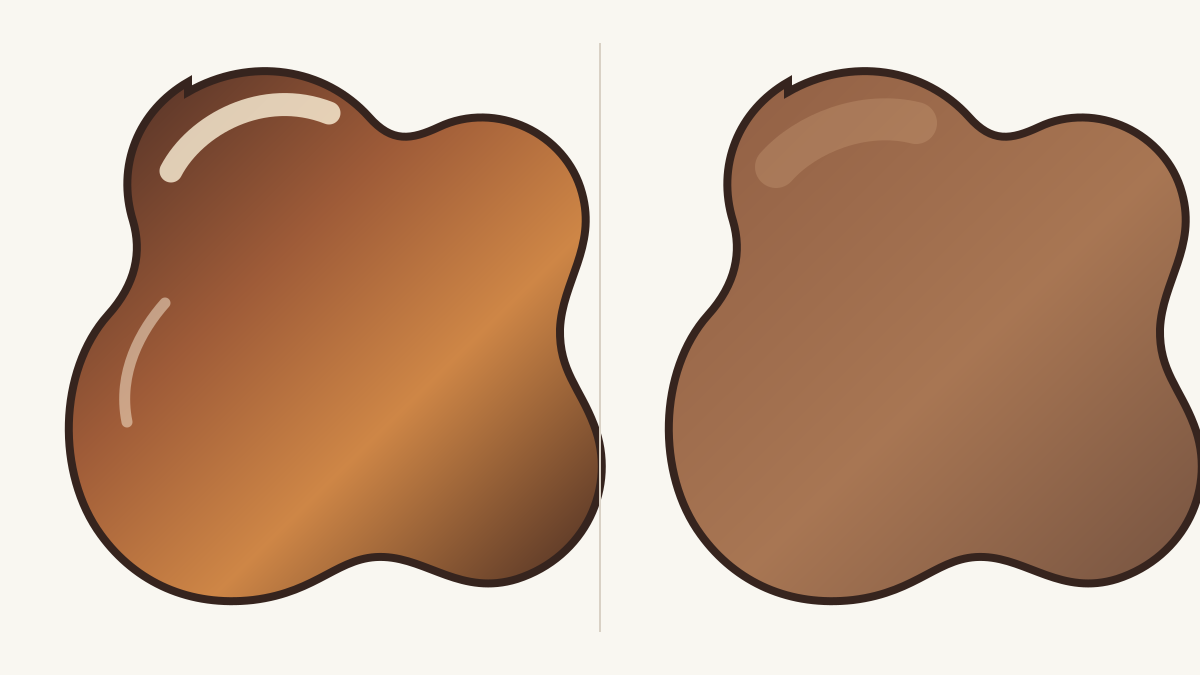
We checked Taylor’s separate gloss, satin and unfinished-surface care instructions, Fender’s coating and sheen overview, and Martin’s March 2022 warning about prolonged rubbing of satin finishes. Historical series examples establish terminology, not current specifications for every model. The comparison table and personal record organize appearance, touch and care decisions; they are suggested observations, not completed tests. We did not measure film thickness, hardness, wear rate, top vibration or tone, and no general acoustic or durability ranking is inferred from sheen. The retained graphic is a surface-reflection illustration, not a photograph or measured coating sample.
Documentation checked .
Replaced retail-oriented advice with a personal comparison record, completed the manufacturer-specific satin-care qualification, removed an unsupported vibration claim and documented the evidence and illustration limits.