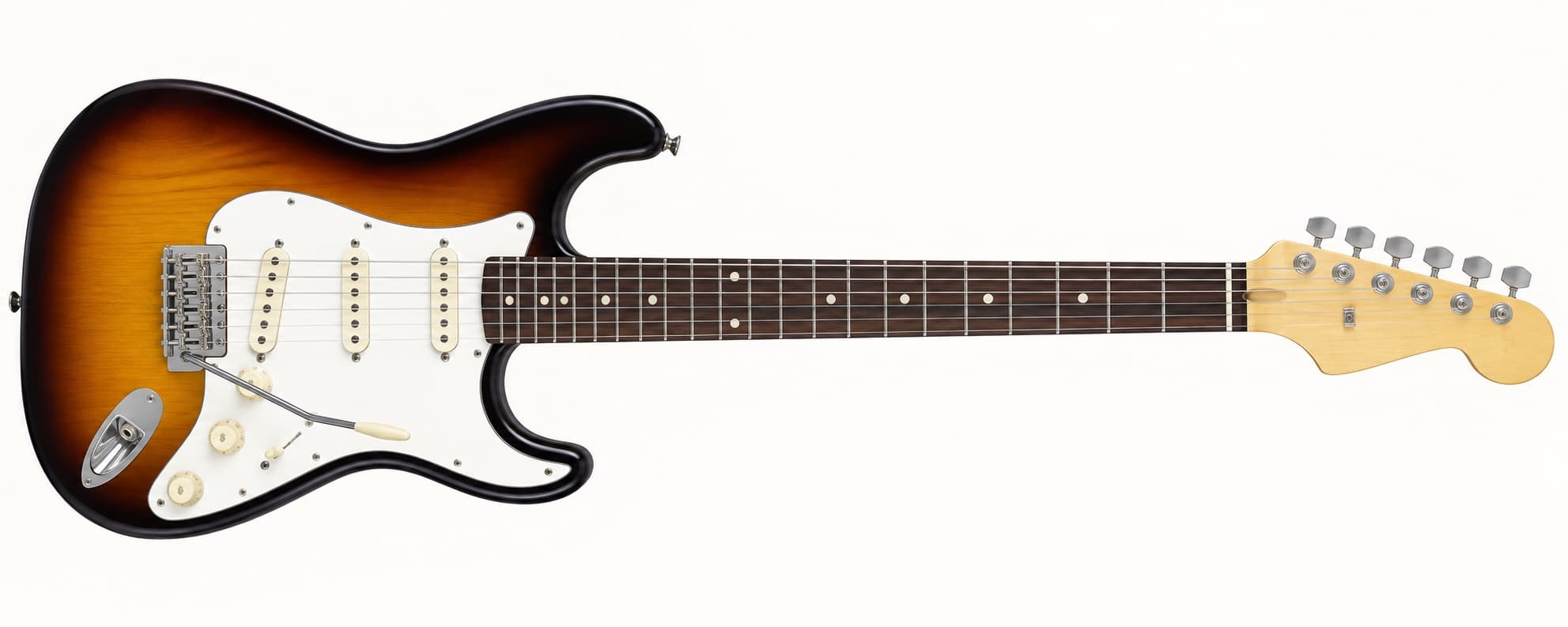
The decision in brief
Bolt-on necks use mechanical fasteners; set necks use a fitted, glued joint; neck-through construction carries the central neck structure through the body with side wings attached. The useful differences concern assembly and possible repair, while heel shape and cutaways determine what you can reach on the actual guitar. Verify the exact construction and service options, then compare fit, condition and the complete instrument. The joint name does not establish a tone, sustain, strength or quality ranking, and a removable neck is not automatically interchangeable.
How the three neck joints are built
A bolt-on neck is mechanically fastened in a body pocket. A set neck is fitted and glued to the body. Fender’s attachment overview describes those basic arrangements; its prestige, tone and repair-cost language is not a measured ranking used here. Fastener type, number and joint geometry depend on the design.
With neck-through construction, the central neck structure continues through the body and side wings complete it. Ibanez’s M8M specification lists a five-piece maple/jatoba neck-through and alder wings. That eight-string model illustrates the construction; it is not a six-string recommendation or proof of universal sustain. A blended heel or visible centre stripe alone cannot verify the hidden structure.
Sources: Fender: attachment arrangements; promotional rankings excluded; Ibanez M8M: documented laminated neck-through and body wings
Construction and ownership differences
| Question | Bolt-on | Set neck | Neck-through |
|---|---|---|---|
| Connection | Mechanical fasteners and pocket | Fitted, glued joint | Continuous central structure with body wings |
| Separating the neck | Often possible using the supported procedure | Structural separation requires specialist assessment | No separate neck/body joint to unfasten |
| Upper-register fit | Try heel and cutaway | Try heel and cutaway | Try transition and cutaway |
| Replacement question | Exact part and geometry compatibility | Feasible repair, scope and cost | Feasible repair of affected central structure |
These are construction distinctions, not estimates of service time, lifetime or failure risk. Warmoth’s fit guide shows that even matching headline heel dimensions can leave incompatible shapes. Scale layout, pocket, mounting holes, neck angle, bridge relationship and other design details need confirmation. Purpose-designed conversion necks are an exception to simply matching nominal scales; the supported system must still fit.
Sources: Warmoth: heel shape, fit and conversion-system exceptions
What the player can actually feel
Play the upper positions your music actually uses, seated and standing at your normal strap height. Notice where the thumb or palm meets the heel and whether the cutaway leaves the needed clearance. A sculpted bolt-on, pronounced set-neck heel or neck-through transition must be judged on the identified guitar.
Fret count does not establish usable access. Keep neck-back profile, finish, body position and balance in the record. If one shape is comfortable for your passage, describe that observation without prescribing it for every hand or technique.
Treat tone and sustain claims carefully
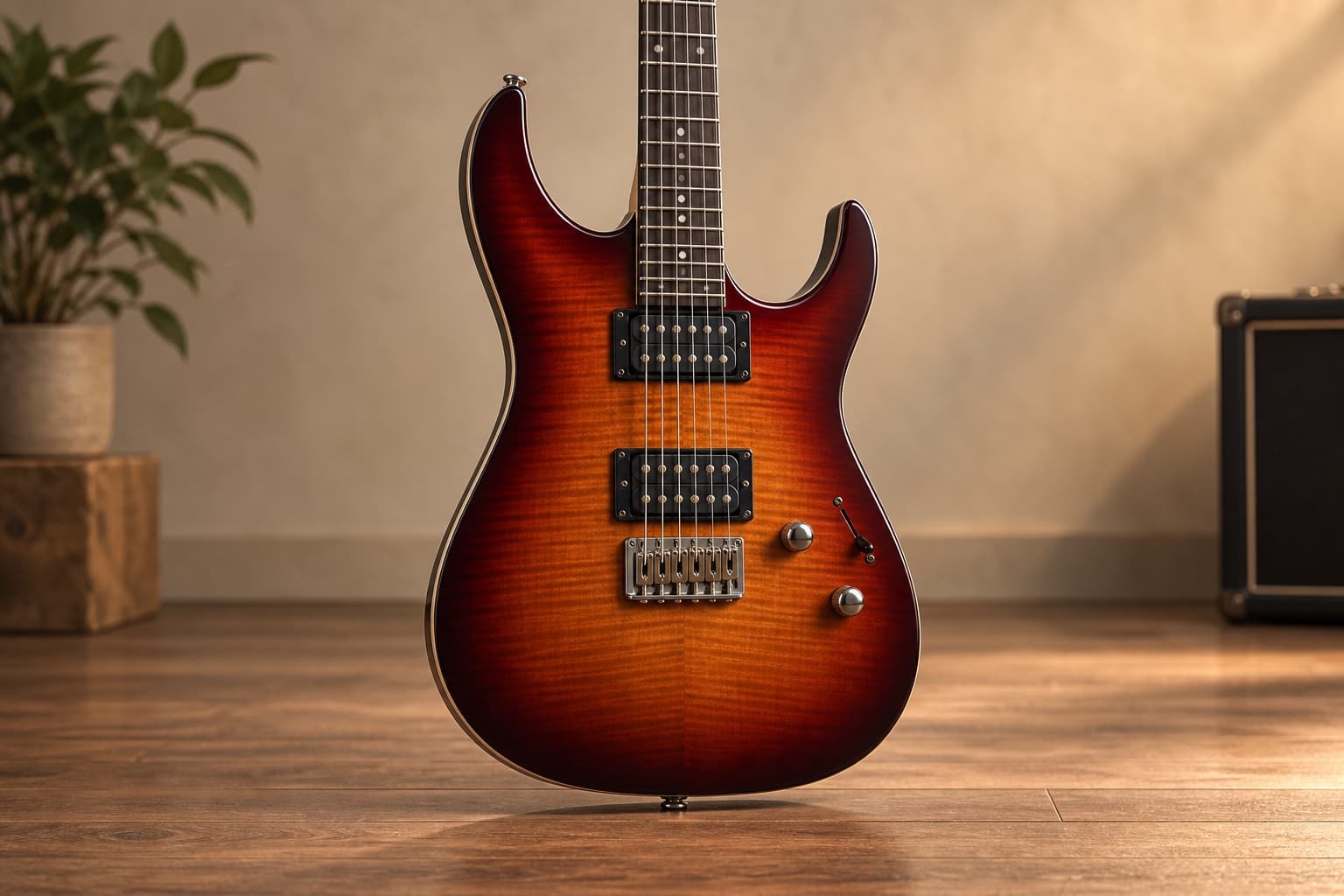
A comparison of guitars with different pickups, strings, scale, bridge, setup and bodies does not isolate the neck joint. Neither a manufacturer’s sustain description nor a personal preference establishes a universal ordering of the three constructions. This article contains no controlled experiment separating that variable.
For a personal sound comparison, use the same passage and signal path. Keep amplifier input settings fixed when comparing drive; judge preference at similar listening or recorded playback volume. Record guitar-volume changes as another input condition. Listen to the note behaviour useful to your music; a stopwatch without a defined level threshold and method is not a reliable sustain result.
Serviceability is the clearest practical difference
Mechanical attachment often provides a route to removing a neck, but practical service depends on the exact procedure, compatible parts and a qualified repairer. Warmoth’s compatibility examples distinguish pocket shape and supported conversion systems. Do not order or fit a neck from the bolt-on label alone.
A glued joint or continuous central structure changes what can be separated. It does not tell you that repair is impossible or that the instrument will need it. Ask the maker or repairer about the actual fault, feasible work, replacement policy and written estimate. Routine fret or setup work does not automatically require neck removal.
Sources: Warmoth: part compatibility scope
What construction quality looks like
Inspect the visible heel, pocket edges and finish in good light without levering, flexing or loading the joint. Record cracks, gaps, unusual alignment or disclosed repairs. A finish line cannot establish the depth, cause or repairability of a fault; unexplained movement or suspected structural damage requires assessment.
Compare string margins along the fingerboard and their relationship to the bridge. Do not loosen fasteners, tighten them speculatively or turn the truss rod to prove quality. Ask a competent seller or technician to demonstrate any needed check using the exact model’s instructions. Opaque finishes and photographs leave internal fit, tenon length and laminations unverified.
A practical inspection and comparison method
- Identify the model/version and documented joint; record any unknown construction details.
- With permission, observe string alignment, heel and visible seams without stressing or opening them.
- Play your usual lower- and upper-register passages at comfortable pressure.
- Record strings, tuning and setup; have necessary measurements taken with their locations, units and methods.
- Use the same sound comparison conditions and note unmatched variables.
- Confirm actual service options and written seller terms; retain unresolved questions.
| Personal record | What to keep |
|---|---|
| Construction | Model/version, source and joint details actually documented |
| Observed condition | Location, context photograph, symptom and disclosed work |
| Playing comparison | Passage, posture, strings, tuning, rig and unmatched variables |
| Decision | Useful advantage, accepted compromise, service evidence and open question |
This is a proposed editorial observation routine, not a completed test or a certificate of internal structure, rod function or long-term stability. Stop when a check needs unfamiliar adjustment or structural assessment.
Choose by consequence, not prestige
A bolt-on candidate is useful when the actual guitar fits and its documented service arrangement meets your needs. A set-neck candidate deserves the same playing trial, with the relevant structural repair questions answered. A neck-through candidate needs both a useful transition and acceptable support for its specific design.
Use an advantage you can identify: access for a required phrase, comfortable balance, suitable sound, or a confirmed repair option. “Modular” or “premium” alone is not that advantage. Keep the decision open if an important condition or service question remains unresolved.
Five neck-joint myths to avoid
“Bolt-on means low quality”
The label does not inspect alignment, workmanship or condition.
“Set neck always means more sustain”
Different complete guitars do not isolate the joint; no controlled sustain measurements are reported here.
“Neck-through cannot move”
Continuous construction does not remove the instrument’s setup and storage requirements.
“A bolt-on neck can be swapped like a cable”
Published fit examples show shape and layout restrictions, including specially designed conversion systems.
“The smoothest heel is automatically best”
Try the passages and posture that matter to you. Smooth appearance cannot verify the hidden joint or decide your reach.
Sources: Warmoth: supported fit examples
Apply the comparison to real buying scenarios
For a used guitar, ask about previous neck work, altered holes or hardware, repaired cracks and the current alignment. Request an assessment when the cause or repair scope affects your decision; the joint label cannot certify its history.
For upper-register playing, compare the actual heel, cutaway and strap position using your own phrase. For travel or frequent use, confirm the relevant maker/repairer support rather than assuming a construction guarantees easy replacement. These are proposed player scenarios, not customer reports or measured reliability results.
Neck-joint specification checklist
Keep model/version, joint documentation, nominal scale, bridge arrangement, heel shape, neck profile and current strings/setup together. For replacement work, request the exact supported part, pocket/heel shape, mounting details, scale layout and adjustment requirements.
Ask what the available photographs cannot show and which measurements or assessment are still needed. Separate an original specification from this unit’s modifications. The maker’s or seller’s actual terms need checking; this guide verifies no individual warranty or repair quotation.
Conclusion: the joint is one part of the guitar
Use construction to ask useful service questions and the actual guitar to judge reach, balance and sound. Mechanical, glued and continuous arrangements differ in what can be separated, while the feasibility of work remains model- and fault-dependent.
Keep the documented joint, your observations and the unresolved questions in the same record. Choose once the guitar fits your use and the important condition and support questions have answers.
Frequently asked questions
Does neck-through construction guarantee longer sustain?
The label does not establish a universal ranking. A comparison of differently equipped complete guitars does not isolate the joint; this article reports no controlled sustain measurements.
Can any bolt-on neck be replaced with another bolt-on?
No. Verify exact part and geometry compatibility, including pocket/heel shape, mounting, scale layout and bridge relationship. Supported conversion necks are specific systems, not blanket exceptions.
Which joint gives the best upper-fret access?
Try the actual heel, cutaway, neck profile and playing position with your own passage. Joint vocabulary and fret count do not determine comfortable reach.
How this guide was prepared
AI-assisted review of manufacturer attachment descriptions, a documented Ibanez laminated neck-through example and Warmoth compatibility guidance. The comparison record is an editorial proposal. No guitar was disassembled, flexed, repaired, measured or played for this update, and no controlled sustain test or human expert review was performed. Exterior illustrations do not verify internal joints; repair feasibility and individual seller terms remain specific to the instrument.
Documentation checked .
Rechecked construction and compatibility, added supported conversion-neck exceptions and a non-invasive player record, removed speculative load/rod checks and retail scenarios, corrected image identity and retained model-specific repair and sound-comparison limits.