
The decision in brief
A conventional P-90 uses one broad coil; a conventional humbucker uses two coils with the magnetic and electrical relationship needed to reduce common hum. Covers do not guarantee that architecture: P-90-like noise-reducing formats and humbucker-size single coils exist. Compare exact models and fit, drive with amplifier input settings fixed, then recordings at similar playback volume for preference. Neither family guarantees output, compression or genre suitability.
What matters most
- Record each exact guitar, pickup model, position/mode, strings, tuning, controls, cable and room.
- Check stable tuning and documented setup/height. Keep the recording input below clipping.
- Keep amplifier input settings fixed; play the same clean chords, single notes and muted phrase.
What is the construction difference?
A conventional P-90 has one broad sensing coil. A conventional humbucker pairs two coils with opposite magnetic polarity and a suitable electrical connection so common interference opposes while the string signals remain useful. Reversing coil connections can supply the required electrical relationship; physical winding direction alone is not the definition.
Soapbar and dogear describe traditional P-90 mounting formats, not all pickups sold under those cover shapes. Seymour Duncan’s conventional Phat Cat is a documented single-coil P-90 inside a humbucker-size cover. A wide housing therefore does not establish two coils. Check the exact model and switching. Magnet, winding, poles and position remain separate variables.
Sources: Gibson: traditional P-90 construction and mounting; Seymour Duncan: humbucker magnetic/electrical connections; Seymour Duncan: conventional Phat Cat single-coil model
P-90 vs humbucker at a glance
| Question | Conventional P-90 | Conventional humbucker |
|---|---|---|
| Sensing coils | One broad coil | Two appropriately paired coils |
| Hum | Single-coil exposure in an individual position | Reduces common interference; other noise remains |
| Output/response | Exact model, position, height and circuit | Exact model, position, height and circuit |
| Fit | Verify soapbar/dogear or specialized format | Verify actual route and mounting |
| Exceptions | Noise-reducing lookalikes need documentation | Wide single-coil housings also exist |
Architecture explains a hum-rejection difference. It does not guarantee tone or output. Compare complete guitars under recorded conditions; changing coil design and position together prevents a material- or position-only conclusion.
How much does hum matter in the intended room?
A conventional P-90 can pick up mains-related electromagnetic interference. A properly connected humbucker reduces interference shared by its coils; it does not eliminate every buzz, cable fault or source of noise. P-90-format noise-reducing designs also exist. The Vintage P90 Silencer is listed by its maker as passive and ceramic; its noise claim is a maker claim, not our measured guarantee. The checked page does not establish its exact internal coil arrangement.
At your normal gain, compare pauses and note guitar orientation, nearby electronics and signal path. Try each required selector mode. A suitable paired-pickup combination may reduce hum even if either conventional single coil alone does not. A hand-on/hand-off observation is not a complete grounding diagnosis. Record room conditions and unexplained faults separately.
Sources: Seymour Duncan: Vintage P90 Silencer model; Seymour Duncan: humbucker magnetic/electrical connections
Compare the response without reducing it to one adjective
Descriptions such as direct, thick or rounded can suggest passages to try, but a cover or coil count cannot guarantee attack, compression or output. Exact pickup, position, height, controls, strings, cable and amplifier form the comparison.
Keep amplifier input settings fixed to hear how each guitar drives the rig. Compare recordings at similar playback volume afterward when judging attack, chord separation and tonal preference. Changing guitar volume before a driven amp changes drive too; document the setting as a different condition. The pickup-family comparison covers the broader single-coil question.
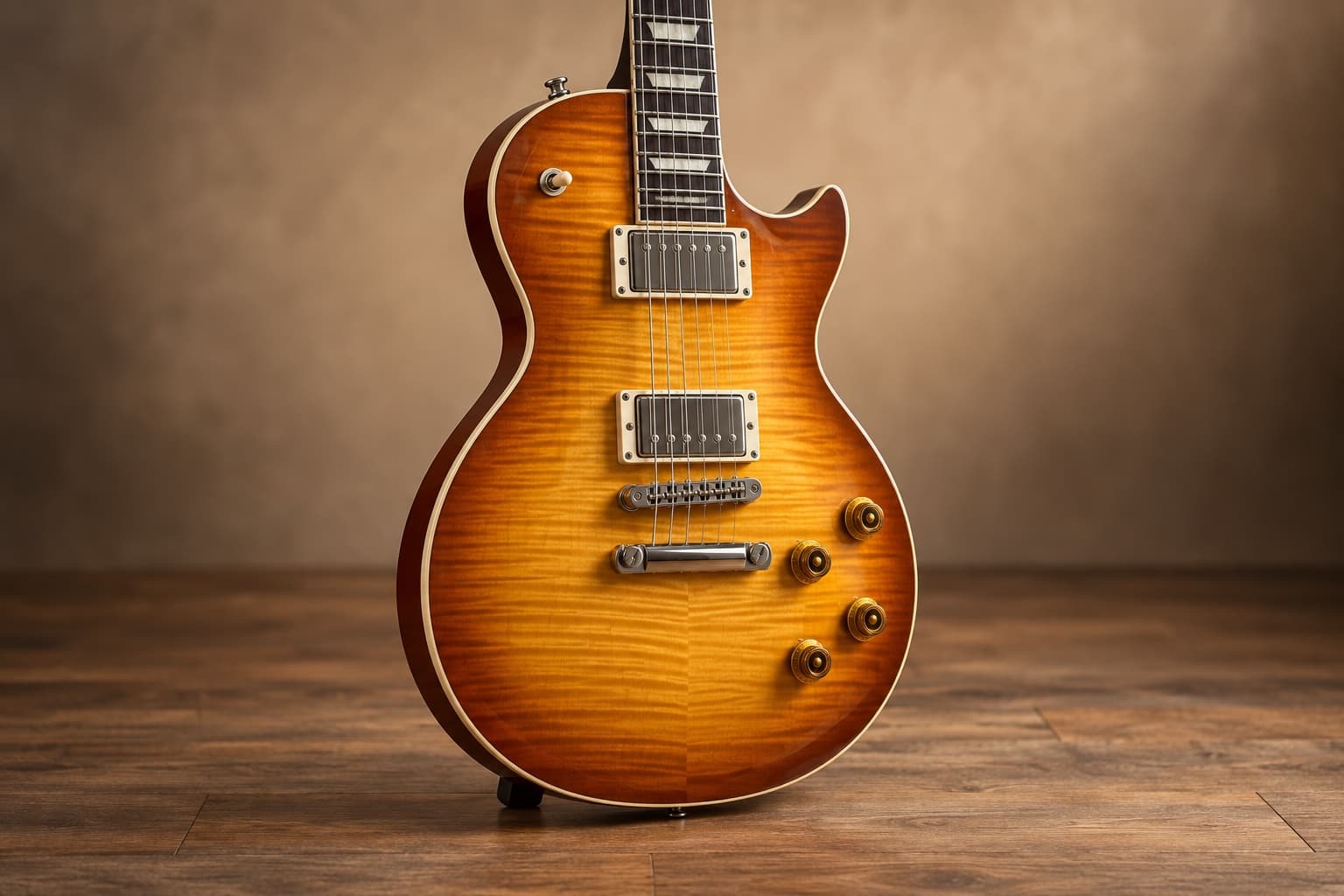
Check fit, routing and wiring before a pickup swap
A P-90 soapbar, P-90 dogear and full-size humbucker do not share one universal footprint. Mounting holes, pickup cavity, cover height, string spacing and pickguard shape vary. A cover that looks close in a product photo may still require irreversible body work. Before buying a replacement, obtain the maker's dimensional drawing and compare it with the exact guitar or existing pickup.
Also verify pot values, switch positions, phase, shielding and any coil-split feature. A conventional P-90 cannot be “coil-split” into a smaller pickup in the way a four-conductor humbucker may be configured. Some humbuckers provide series, parallel or split modes, but the wiring scheme must be confirmed. If the guitar is valuable or unfamiliar, have a qualified technician assess routing and electrical compatibility rather than cutting first.
Sources: Gibson: traditional P-90 construction and mounting; Seymour Duncan: humbucker magnetic/electrical connections; Seymour Duncan: conventional Phat Cat single-coil model
Which design suits common playing contexts?
Clean and edge-of-breakup playing
Start by comparing attack and note separation. A P-90 may appeal to a player who likes a direct response and accepts the noise trade-off. A lower-output humbucker may also produce an open, detailed clean sound. Listen to both in the actual amplifier rather than choosing from a genre stereotype.
High gain and noisy spaces
Hum rejection may become more important than a subtle clean-tone preference. A humbucker is a practical first comparison when the room has interference or the set uses long sustained pauses. A P-90 can still work if the noise is manageable, the player mutes effectively and the desired response justifies it.
One guitar for many uses
Assess the whole switching system. A guitar with two humbuckers and useful switching may cover different jobs from a one-pickup P-90 guitar; a versatile P-90-equipped instrument may still meet a player's real needs better. The number of options matters less than whether each one is useful.
A repeatable side-by-side listening check
- Record each exact guitar, pickup model, position/mode, strings, tuning, controls, cable and room.
- Check stable tuning and documented setup/height. Keep the recording input below clipping.
- Keep amplifier input settings fixed; play the same clean chords, single notes and muted phrase.
- Use your intended gain as a separate condition and note switching balance, hum, hiss and feedback separately.
- Compare recordings at similar playback volume afterward for preference and clarity.
- Try the volume-control sweep and useful combinations, recording input-setting changes separately.
| Record field | Your notes for each guitar |
|---|---|
| Construction/fit | Exact model and coil mode; mounting and documentation |
| Fixed-input pass | Amp input settings, passage, drive and switching balance |
| Similar-volume playback | Recording playback adjustment, response and preference |
| Noise/limits | Room orientation, pauses, other guitar differences and questions untested |
The blank record is a proposed decision method, not a test conducted for this article. If guitars differ in position, strings, scale, bridge or setup, the observation concerns complete instruments and cannot isolate P-90 versus humbucker architecture.
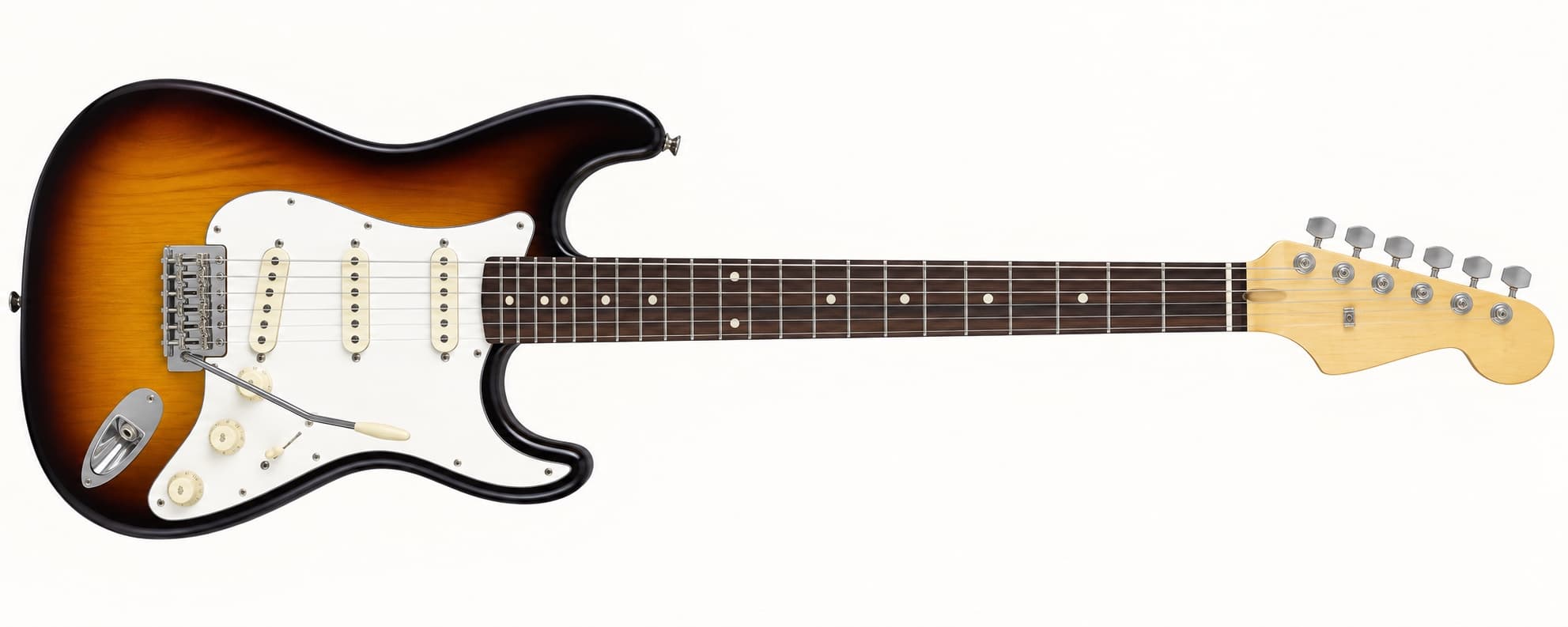
Use a decision rule that names the trade-off
Try a conventional P-90 when the response of the exact guitar matters enough to accept its single-coil hum in your room. Try a humbucker when its hum rejection, actual sound or verified switching better meets your needs. Physical fit and comfortable playing still matter.
For example, a hypothetical home recorder may prefer one conventional P-90 guitar clean, then find its idle hum unsuitable at the required gain. Check the room and known signal path before deciding whether a different guitar or documented noise-reducing format is appropriate. This is a decision scenario, not a customer or site trial.
Conclusion: architecture starts the conversation
Conventional P-90 and humbucker designs differ in coil architecture and hum rejection, while their actual output and sound remain model- and setup-dependent. Compare drive with amplifier input settings fixed, then recordings at similar playback volume for preference. Check the exact drawing, mounting and wiring before a swap; cover shape alone proves neither coil count nor fit.
Frequently asked questions
Is a P-90 a humbucker?
A conventional P-90 is a single-coil pickup, not a humbucker. Some noise-reducing pickups are made in a P-90-sized cover, so check the exact model's construction.
Is a P-90 always louder than a humbucker?
No. Output depends on the exact pickup, height, wiring and connected circuit. Compare amplifier drive with input settings fixed, then recordings at similar playback volume for tonal preference.
Will a humbucker remove all guitar noise?
No. It is designed to reduce common electromagnetic hum, but grounding faults, cables, pedals and other interference can still make noise.
Can I replace a humbucker with a P-90 without routing?
Not automatically. Standard P-90 and humbucker dimensions and mounting differ, though specialized replacement formats exist. Verify drawings and the actual cavity before ordering.
Which is better for high-gain music?
A humbucker is often the easier starting point where low noise is critical, but the exact amplifier, room, pickup and player technique determine whether a P-90 is workable.
How this guide was prepared
We checked Gibson’s traditional P-90 construction/mounting guide, Seymour Duncan’s humbucker connections, conventional Phat Cat and Vintage P90 Silencer listings, and design/height explanations. Product facts identify particular formats; maker sound and silence claims are not adopted as our measurements. We performed no listening trial, noise measurement, installation or teardown and no human expert review. The blank owner record and scenario are proposals. AI assistance was used for source comparison and language checks. Illustrations show exteriors, not tested internal structures.
Documentation checked .
Adds humbucker-size single-coil and passive P-90-format noise-reduction exceptions, corrects wiring explanation, removes retail-range advice, and distinguishes input drive from playback-volume preference.